
Whitepaper
Technical Guideline for the Study of Polymorphism of Innovative Chemical Drugs (For Trial Implementation)
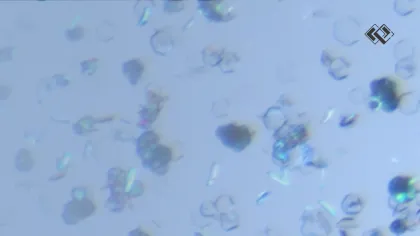
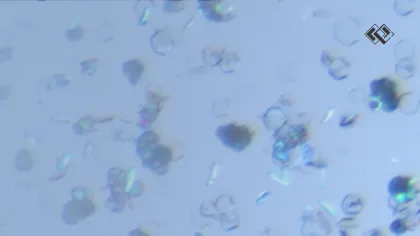
The NMPA has released the world's first polymorphism guideline specifically dedicated to innovative chemical drugs. While other regulatory agencies offer general polymorphism guidance, this is the first to focus exclusively on the innovative drug landscape. By setting a new global benchmark for regulatory clarity in solid-state chemistry, this guideline provides a rigorous technical framework for polymorph control at every critical stage—from initial selection and characterization through to manufacturing and long-term stability.
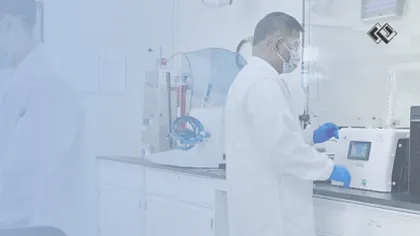
_420236.webp "Solid Form Landscape to Formulation Strategy: The role of computational screening and risk assessment")